Corporate
Strategy
How companies and consumers adapt to economic shocks. Resilience is no longer endurance; it is
controlled reinvention.
Read Insight
Wealth Strategy
Why the era of "easy money" is over—and how structural discipline wins in the asset economy.
Read Insight
Corporate Finance
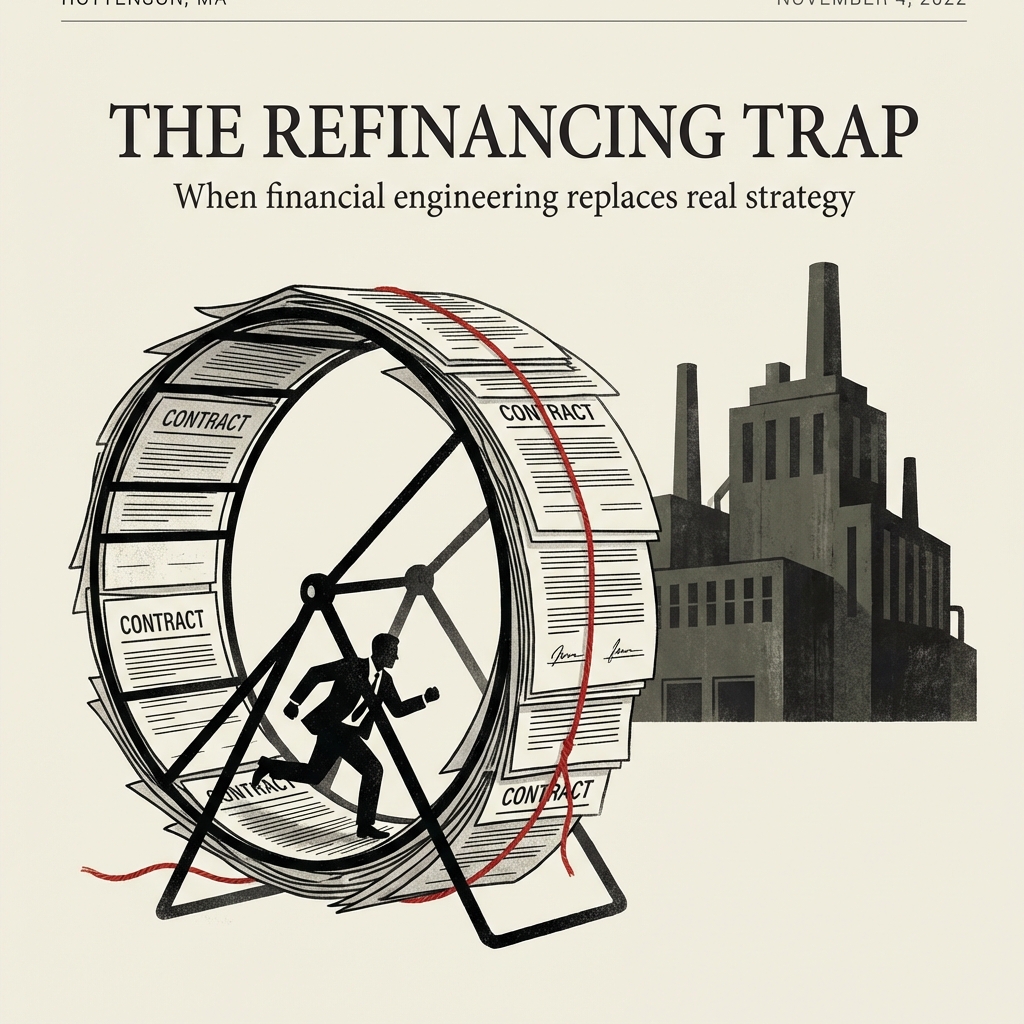
The "higher-for-longer" refinancing cycle is here. Why liquidity and interest coverage are now
the primary drivers of strategy.
Read Insight
Capital Markets
Why regulatory capital efficiency, not just credit risk, is deciding the fate of corporate
borrowers in 2026.
Read Insight
Treasury Strategy
The era of "lazy cash" is over. How banks are repricing deposits and using "Wallet Velocity" to
target cash-rich firms.
Read Insight
Corporate Finance
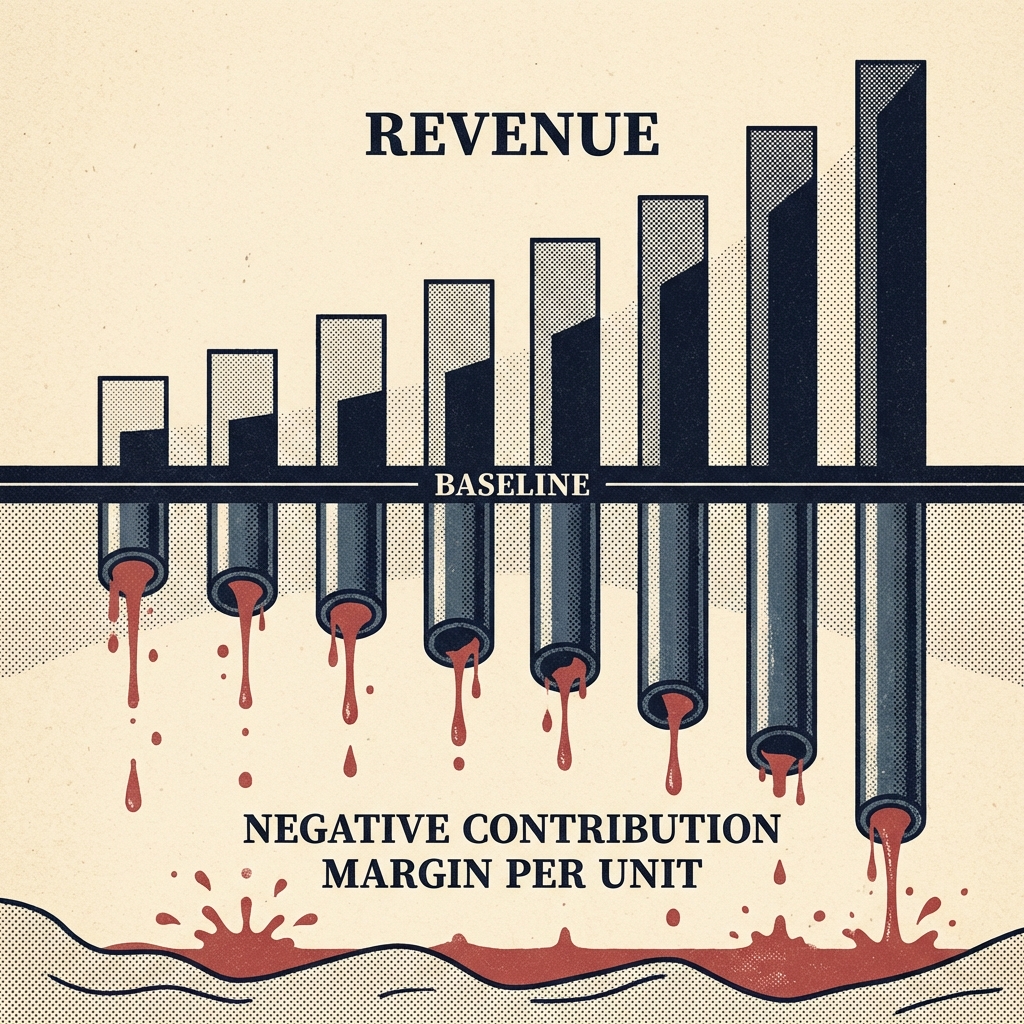
When borrowing stops funding growth and starts funding survival. The mechanics of the
"Loss-Funding" spiral.
Read Insight
Corporate
Strategy
Why "pulling back" is the highest-performance strategy. Balancing growth with consolidation to
restore operating leverage.
Read Insight
Operational
Strategy
Why efficiency is treated as a cyclical emergency measure rather than a permanent habit. The
cost of performative austerity.
Read Insight
Capital Strategy
Why credit discipline and loyalty are creating a structural penalty. How to escape the "Loyalty
Tax."
Read Insight
Wealth Strategy
Why the pursuit of safety is the new risk. A strategic analysis of "The Great Hesitation."
Read Insight
Strategy
Why growth dies in the bunker. The hidden "governance drag" of the 2026 recovery.
Read Insight
HR Tech
Why "digital visibility" destroys psychological safety. The hidden costs of the "Trust/Control
Inversion."
Read Insight
Productivity
Why organisations confuse activity with progress.
Read Insight
Culture
Why defensive governance is the silent killer of productivity.
Read Insight
Strategy
The dangerous shift from leverage to dependency in the post-2026 SME landscape.
Read Insight
Strategy
Why the "Time-Mismatch" creates fragility, and how to engineer the "Two Wallet" architecture.
Read Insight
Psychology
Why businesses obsess over precision when they feel uncertain. The 'Anxiety Zone' paradox.
Read Insight
Strategy
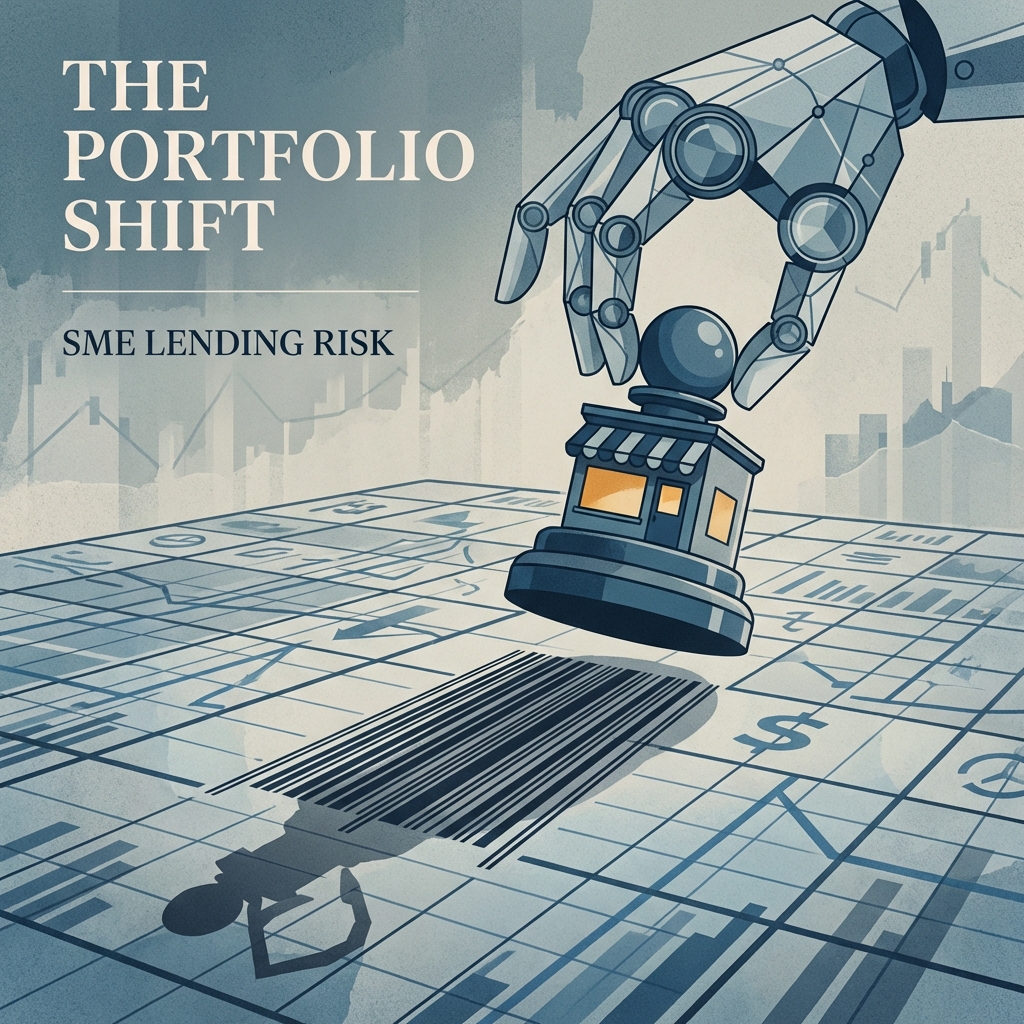
Why banks treat small businesses as inventory for securitisation. The 'Capital Charge' problem.
Read Insight
Strategy
Algorithmic underwriting has displaced human judgment. You are now just a data stream.
Read Insight
Finance
When the product is debt and the customer is the lender. The shift from repayment to perpetual
fees.
Read Insight
Strategy
The mathematical reason banks liquidate SMEs instead of supporting them. IFRS 9 & Capital
Density.
Read Insight
Strategy
How liquidity stress rewrites strategy before leaders notice. The "Shadow Strategy" phenomenon.
Read Insight
Strategy
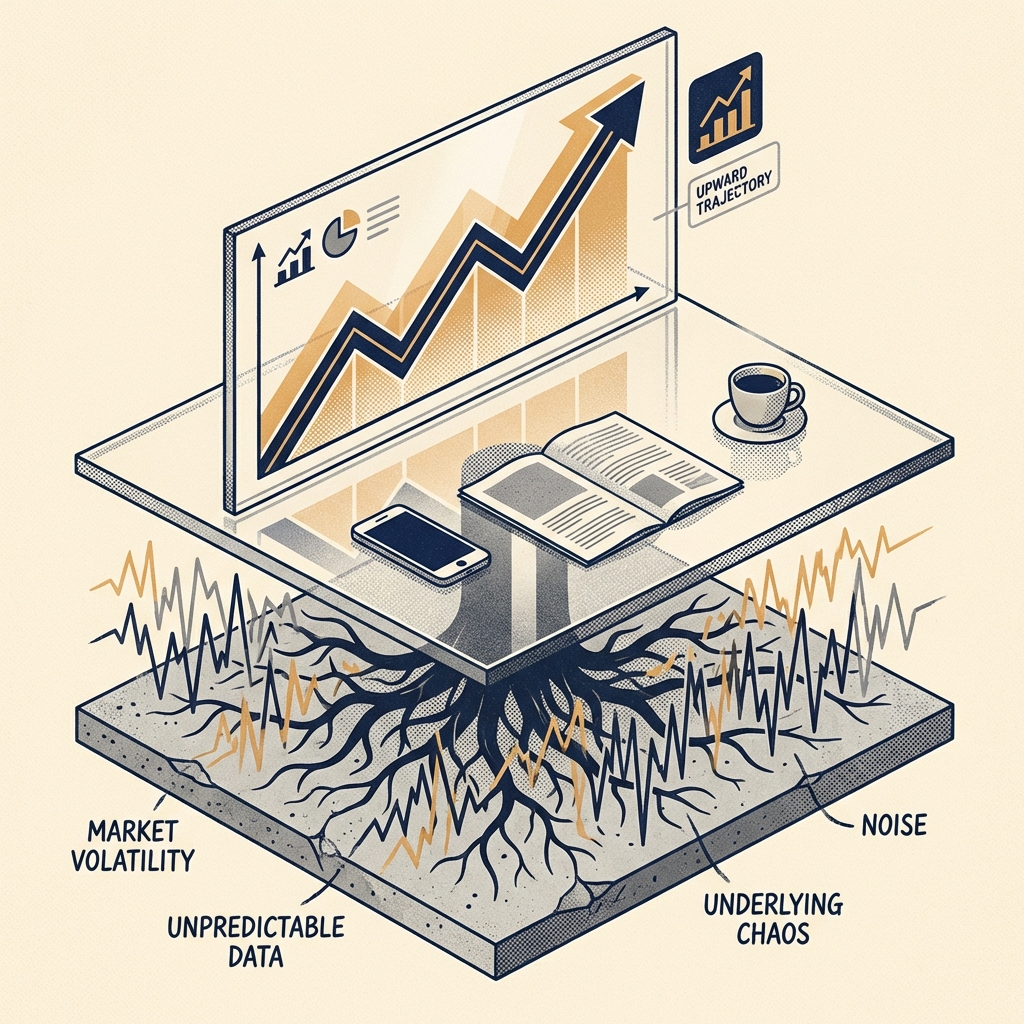
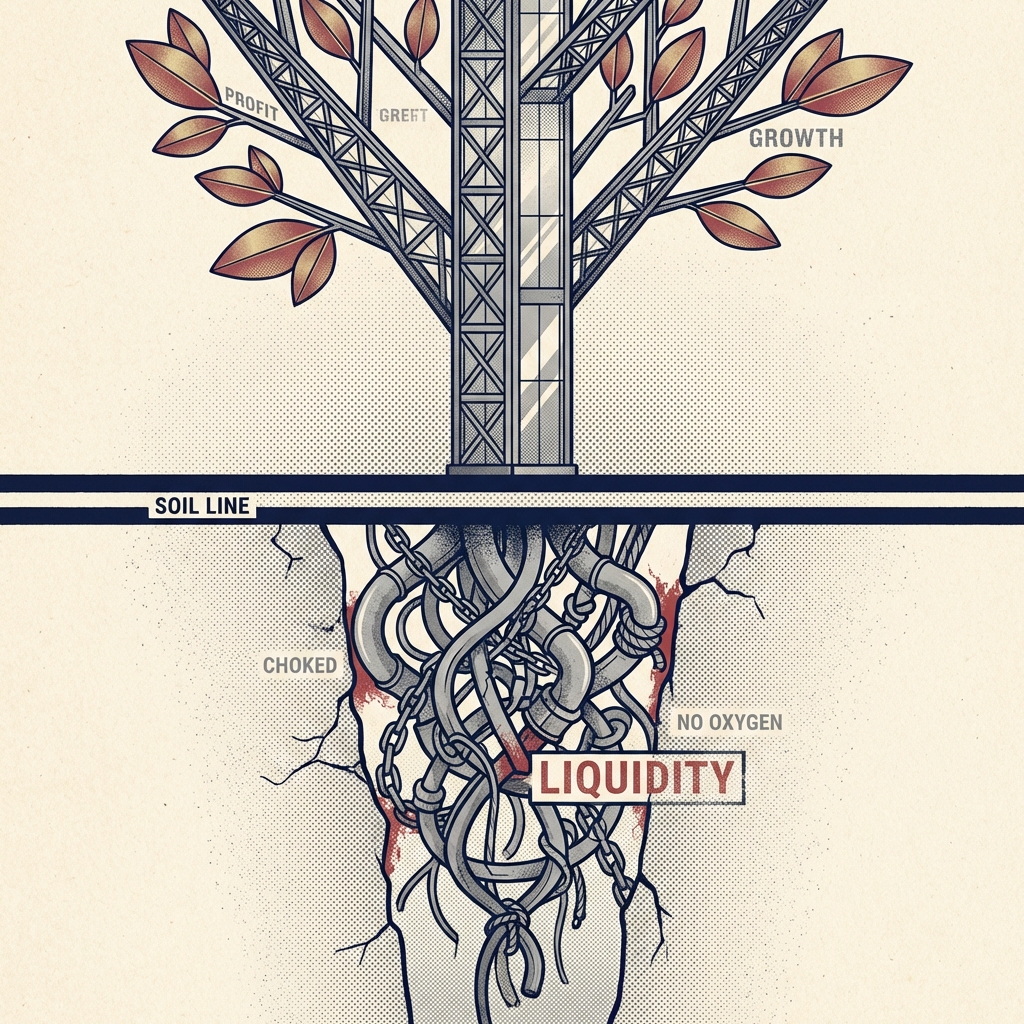
Profit is an accounting fiction; cash is reality. A structural analysis of the "Growth Trap".
Read Insight
Analysis
The labour market looks strong, but income security is crumbling. A strategic analysis of the
hybrid shift.
Read Insight
Psychology
Why liquidity pressure acts as a cognitive tax on founders, reducing decision quality by 40%.
Read Insight
Key Trends
Why paying down debt has suddenly topped the agenda for 73% of SME directors.
Read Insight
Institutional
Trust
Bridging the widening gap between banking institutions and the SME ecosystem.
Read Insight